
Material & Technology
Materials built for the outdoors.
Outdoor textiles designed for comfort, durability and reliable performance in the open air.
Technology
Mackintosh® Technology.
Our Mackintosh® fabrics are based on 100% solution-dyed polypropylene (PP/olefin). The colour is introduced into the melt during fibre production — the result is a particularly deep, uniform and permanent colouration.
Compared to conventional dyeing processes, this method offers exceptional lightfastness, UV resistance and a significantly lower carbon footprint.
Colour the Melt
Colour pigments are introduced directly into the PP melt before the fibre is formed.
100% PP
Spin the Fibre
The coloured melt is spun into fine continuous fibres — the colour sits in the core.
Additive water-repellent
Produce the Fabric
The fibres are processed into a robust, colourfast fabric — ready for outdoor use.
Solution-dyed UV pigments
Benefits of Mackintosh® Technology
Why Olefin?
Polypropylene (PP/olefin) is one of the lightest and most chemically resistant synthetic fibres available. It absorbs almost no moisture (< 0.1%), dries extremely quickly and is naturally resistant to mould, bacteria and many chemicals.
Combined with the solution-dye process, olefin offers exceptional colour retention — even under strong sunlight, rain or contact with chlorine and saltwater.
These properties make olefin the ideal raw material for premium outdoor textiles that remain beautiful, functional and easy to care for.
Dank dieser Eigenschaften sind Olefinstoffe besonders für den Außenbereich geeignet. Die Mosaroma Kollektionen bestehen vollständig aus Polypropylen und sind daher dauerhaft für den Einsatz im Freien konzipiert.
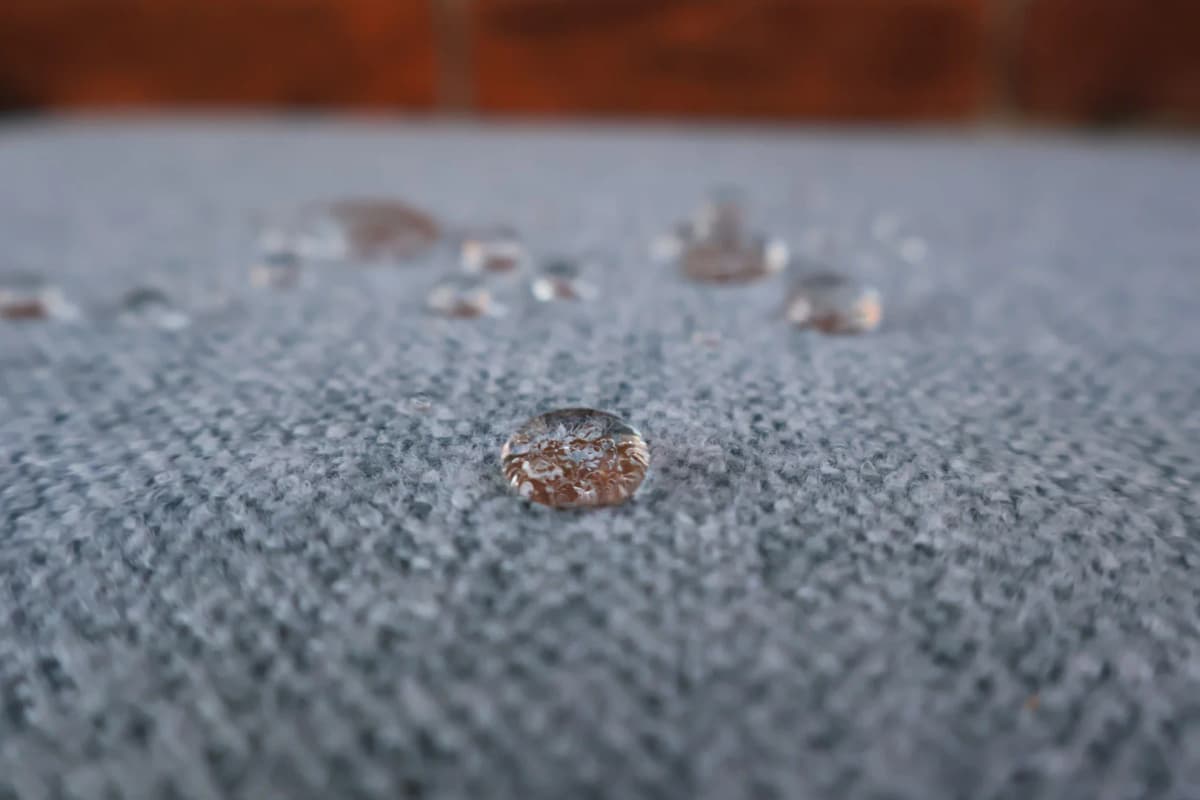
4 Qualities
Our Fabric Families
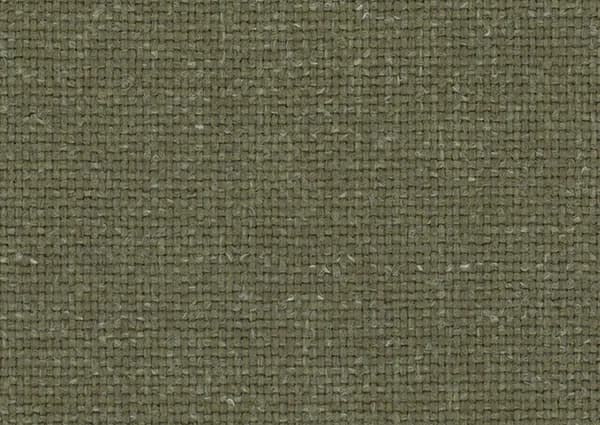
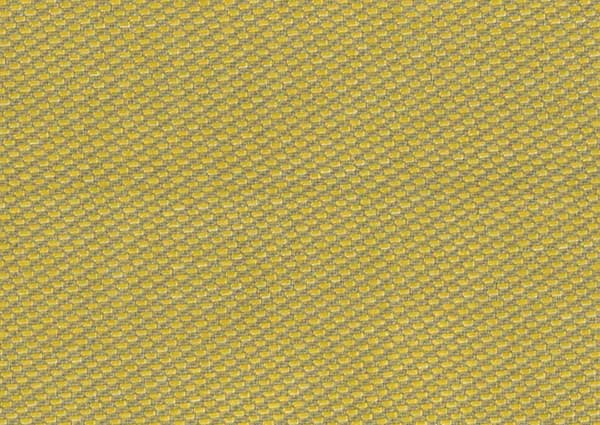
4 fabric families, developed for different outdoor requirements — from premium olefin to recycled ocean polypropylene.
OceanCycle® Process
From ocean to outdoor fabric — how collected marine plastic becomes a premium yarn for our NERIO collection.
Collection
Fishermen and coastal initiatives collect plastic waste from seas and coastal regions worldwide.
Sorting
The collected material is cleaned, sorted by plastic type and prepared for recycling.
Recycling
The sorted plastic is melted down and processed into new, high-quality polypropylene granulate.
Production
The recycled granulate is used to produce solution-dyed fibres for the NERIO collection.
Discover Fabrics & Samples
Browse our complete fabric library — filter by fabric family, product type or search by fabric name and article number.
All Details in the Catalogue
Discover all fabric qualities, colours and technical data in our current catalogue.